
The world of online casinos has stretched far beyond flashing screens and spinning reels. It has become a digital sphere that demands awareness, emotional regulation, and a balanced mindset. Perhaps that’s the beauty of it, or maybe it’s what keeps players returning time after time: the thought that they can enjoy excitement but still keep control. I’ve spent hours scrolling through new platforms, and truthfully, the ones that stand out aren’t only about jackpots or themes, but about how they make you feel — safe, engaged, and respected as a player.
One good example is Nine casino, a platform that seems to understand how balance, emotion, and responsibility blend into a stronger gaming experience. You notice it straight away: beyond the slick layout and addictive sounds, there’s a subtle nudge toward self-awareness and balance. It doesn’t scream “be careful,” but it whispers that it’s okay to pause, to enjoy gaming as a pastime instead of chasing endless wins.
The Modern Casino Experience
Let’s be honest, an online casino is not just about rolling the dice. It’s about creating that delicate intersection between freedom and restraint. When someone logs in to a gambling platform, there’s usually a mix of curiosity and adrenaline, but also, somewhere, a quiet question—how long should I play today? How much should I bet? The platforms that master these moments, both emotionally and practically, are the ones that truly redefine what “smart” gaming looks like.
Design and Balance
Design affects psychology more than most players realize. Smooth animations, slow transitions, and subtle lighting can calm a session rather than hype it up. It sounds small, but for regular players, it transforms everything. When an interface flows logically — bonus details available instantly, bet amounts easy to adjust, payout terms transparent — the player’s emotional state stays grounded. That’s balance at its most visible form.
Registration and Trust
Balance also starts with trust. The process of registration, identity confirmation, or setting up limits communicates something essential between the casino and its users: “We take you seriously.” It’s a mutual relationship built on understanding, where both sides agree that gaming should be fun and fair, not reckless.
Emotion as a Driving Force
Emotions define our choices, even when logic tries to take the lead. Online casinos amplify those inner waves — the rush of winning, the quick pang of losing, the anticipation before every spin. It’s a dance, really, between thrill and control. Players who understand their emotional triggers often turn out to be more confident and satisfied with their sessions, even if they don’t win constantly.
Joy and Frustration
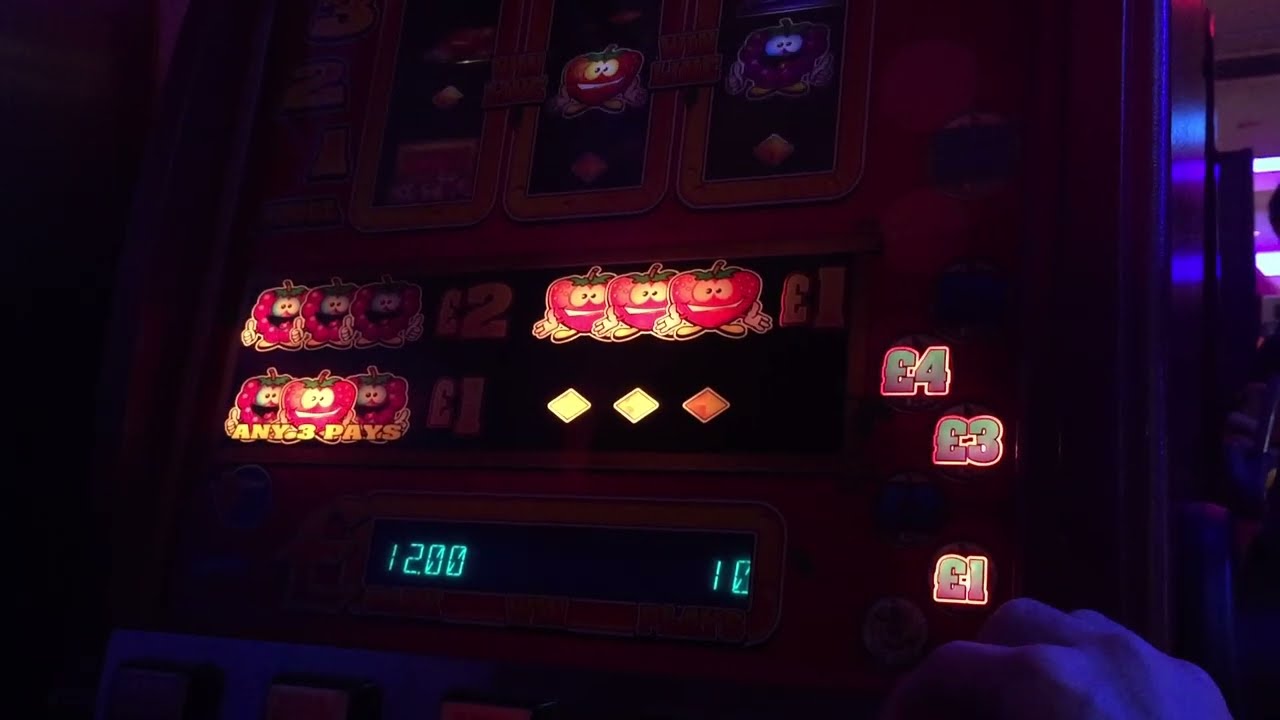
One evening I watched a friend play a simple slot machine. He hit small wins several times, each accompanied by a brief grin. When he lost, he shrugged it off. But at one point, when he hit a bigger payout, he froze. That wasn’t just happiness; it was surprise mixed with disbelief. Later, he admitted he didn’t even really care about the money — it was the build-up of emotions that had held him captive. That’s what most developers now seem to understand: the emotional path is often more powerful than the outcome itself.
Games That Feed Emotion
Slots, progressive jackpots, live card games — they all tune the emotional piano differently. Some days, spinning reels with cheerful colors might feel relaxing. Other times, live poker streams bring social energy that’s almost addictive. Casinos now incorporate adjustable settings so players can slow down or skip fast animations, which is a subtle but powerful emotional cue encouraging moderation.
- Visual soundscapes that soothe rather than distract.
- Theme-based storylines connecting people emotionally to their play.
- Community features that bring shared laughter after a tight match.
Responsibility and Smarter Play
It’s fair to say that “smart” gaming doesn’t just mean learning strategies or odds. It means protecting your mental and financial wellness while having fun. Casinos that adopt responsible gaming features prove that empathy can exist even in an environment that thrives on risk. That sounds a bit contradictory, perhaps, but it’s true. The reality of responsible gambling is not sterile or restrictive — it’s just intelligent design meeting human vulnerability halfway.
Hover to learn about responsible gaming tools.
Smart Limits and Transparency
Today’s smarter online casinos integrate tools where players can monitor their time and spending transparently. You might receive a gentle reminder after a set number of minutes or reach a spending threshold. It’s subtle but effective. For example, being asked after a long session if you’d like to take a break reintroduces human logic into digital space. It’s almost like the platform says: “Want to breathe for a bit?” That simple prompt can make a huge difference.
Bonuses as Responsible Incentives
Bonuses, if not managed properly, can easily push impulse-driven behavior. However, some casinos are turning this concept into something positive. Instead of pushing endless “boost three times your deposit” messages, they now offer tiered or goal-oriented bonuses tied to sustainable play. It’s an approach that values loyalty over urgency.
- Welcome bonuses — clear, timed, and capped logically.
- Loyalty programs — ones that reward consistent engagement, not reckless deposits.
- Play-and-learn challenges — where rewards depend on participation, not heavy betting.
- Cashbacks — structured as friendly returns rather than aggressive bait.
Features That Promote Balance
Technology is doing something magnificent here. Developers are weaving algorithms that adjust difficulty or limit frequency of promotional pop-ups. It’s this silent recalibration in background coding that keeps player psychology in check, almost protecting them from overexposure to stimuli.

Interface Simplicity
Simple main menus, clean typography, and uniform navigation panels reduce anxiety. You rarely think about it consciously, but it adds calm to the experience. That’s important because when players feel overwhelmed, they tend to use hasty judgment.
Payment and Security
Balance also extends to transactions. Secure yet fast withdrawal processes improve satisfaction levels drastically. Players might forgive a losing streak, but they won’t forgive an opaque payment policy. Many platforms now emphasize verified payment gateways, transparency in fees, and quick withdrawals because these things directly correlate with trust and emotional balance.
- Bank-level data encryption measures.
- Consistent notifications for transactions.
- Access to real-time support chat for billing queries.
Player Feedback Loops
Smart casinos often gather player feedback dynamically, adjusting their interface over time. Small features like volume sliders, autoplay deactivation, or color changes upon request create a sense of co-ownership. It reminds us that a well-balanced game is, in fact, a human-centered design.
Emotional Impact of Community Engagement
Playing in solitude has its moments, but shared experiences often elevate the game. Many platforms embed live chat functions, communities, or interactive tournaments to strengthen human connection. The emotional energy shared there is part celebration, part empathy. Players encourage each other after losses, exchange small jokes, or cheer when someone lands a big win. The sense of belonging balances what could otherwise become a solitary, mechanical experience.
The Human Connection
In live dealer rooms, for instance, real voices and genuine reactions replace cold automation. You don’t just play against numbers—you participate in authentic, unpredictable human moments. You see smiles, hear laughter, occasionally sense frustration too. All this builds authenticity, grounding emotional expectations.
Tools and Future of Responsible Platforms
From my perspective, we’re entering an era where smarter digital casinos will rely heavily on AI analytics, not just for marketing but for mental health protection. If you think about it, intelligent code can notice patterns humans might miss — erratic betting, long inactive streaks, or mood shifts during play sessions. Instead of exploiting these, responsible platforms will increasingly use them to guide interventions or personalized reminders.
Predictive Balance
Imagine receiving an automated suggestion to slow down after reaching a certain playtime threshold. It feels almost personal, but not invasive. We might see casinos offering modes designed explicitly for relaxation – quiet visuals, slower spins, ambient music. In short, emotionally calibrated modes.
Transparent Communication
Players nowadays expect honesty. Fair play certifications, visible algorithm audit reports, responsible gaming badges — these markers reinforce trust. The conversation around gambling has evolved. Discussing responsibility no longer feels like spoiling the fun; it’s become a part of mature entertainment.
Conclusion
Balancing thrill and mindfulness isn’t easy, especially in online gaming. Yet the platforms that combine emotion, responsibility, and design intelligence are rewriting the narrative of what casinos can be. A smart gaming experience doesn’t diminish excitement; it reframes it. It turns a random spin or card draw into something sustainable — a form of entertainment that respects both pleasure and restraint. Whether through thoughtful bonus programs, protective tools, or emotionally intelligent communities, the future belongs to casinos that see players as humans, not just wallets.
Reviews
Player 1: “I’ve been part of several online casinos over the years, but recently I noticed how much better I feel using those that ask me once in a while to take a break. It feels less invasive and more like they care.”
Player 2: “What surprised me wasn’t the winning part, but how emotionally balanced the sessions started to feel. Slow animations, minimal pop-ups — all small things that add up to better control.”
Player 3: “Transparency is everything. Once you realize a platform’s payout system is clear, you stop worrying and start actually enjoying the play. I think balance isn’t only about limits, it’s about emotional comfort.”